
FxPro Spreads by Account and Platform
FxPro Spreads by Account and Platform

FxPro spreads play a crucial role in determining trading costs for forex and CFD traders. Understanding the structure of spreads and how they vary across different market conditions is essential for optimizing trading strategies. This article provides a comprehensive breakdown of FxPro spreads, including comparisons, influencing factors, and ways to minimize costs.
What Are FxPro Spreads?
Spreads represent the difference between the bid and ask price of a financial instrument. In trading, lower spreads mean lower costs, while wider spreads increase expenses. FxPro offers different spread structures based on account types, asset classes, and market conditions.
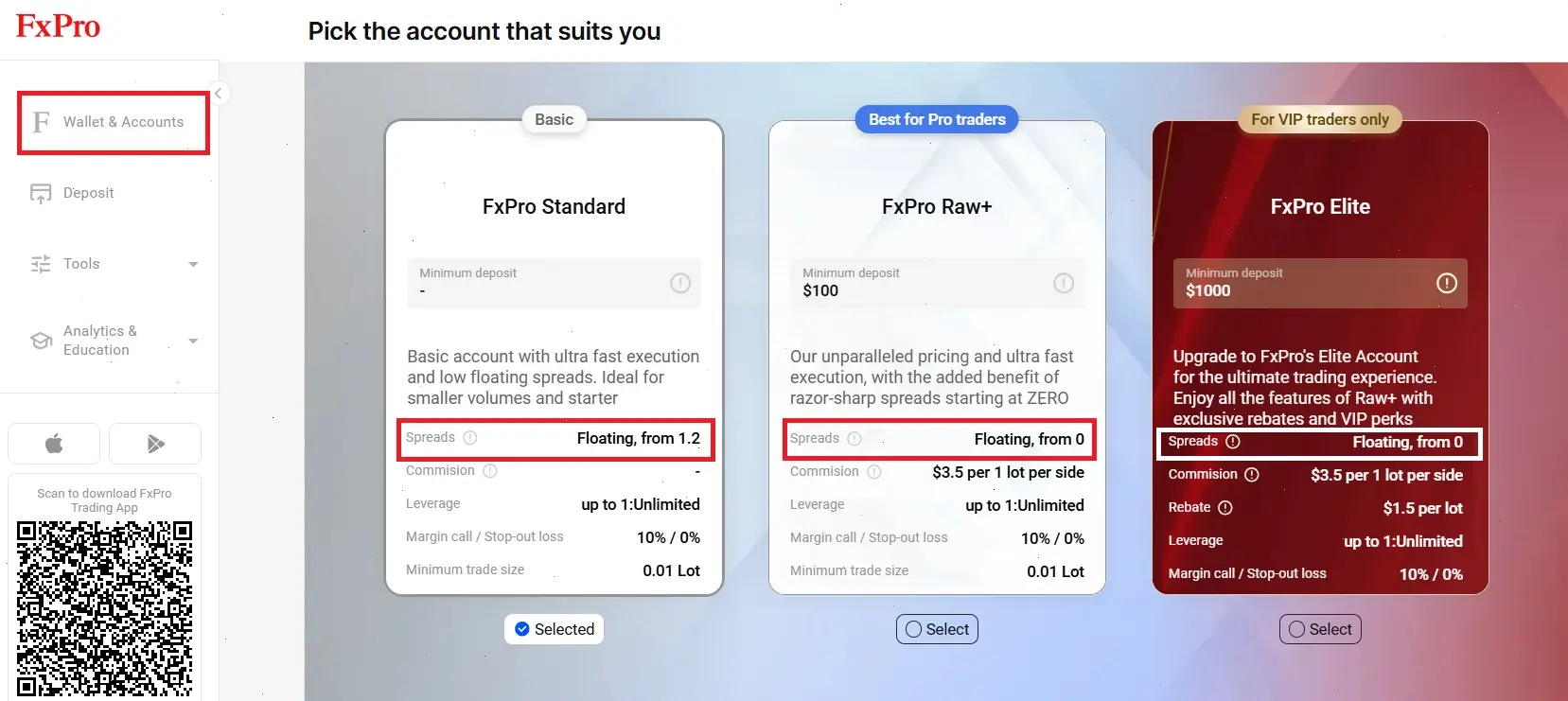
Types of FxPro Spreads
FxPro provides various spread options across different account types:
- Fixed Spreads: Remain constant regardless of market conditions.
- Variable Spreads: Fluctuate based on market liquidity and volatility.
Comparison of Spread Types
| Spread Type | Stability | Typical Cost | Best for |
|---|---|---|---|
| Fixed | Constant | Higher | Beginners, predictable costs |
| Variable | Changes | Lower on liquid markets | Active traders, cost efficiency |
FxPro Account Types and Spread Structure
Below is a comparison of main account features:
| Account Type | Spreads Type | Minimum Spread (Pips) | Commission |
|---|---|---|---|
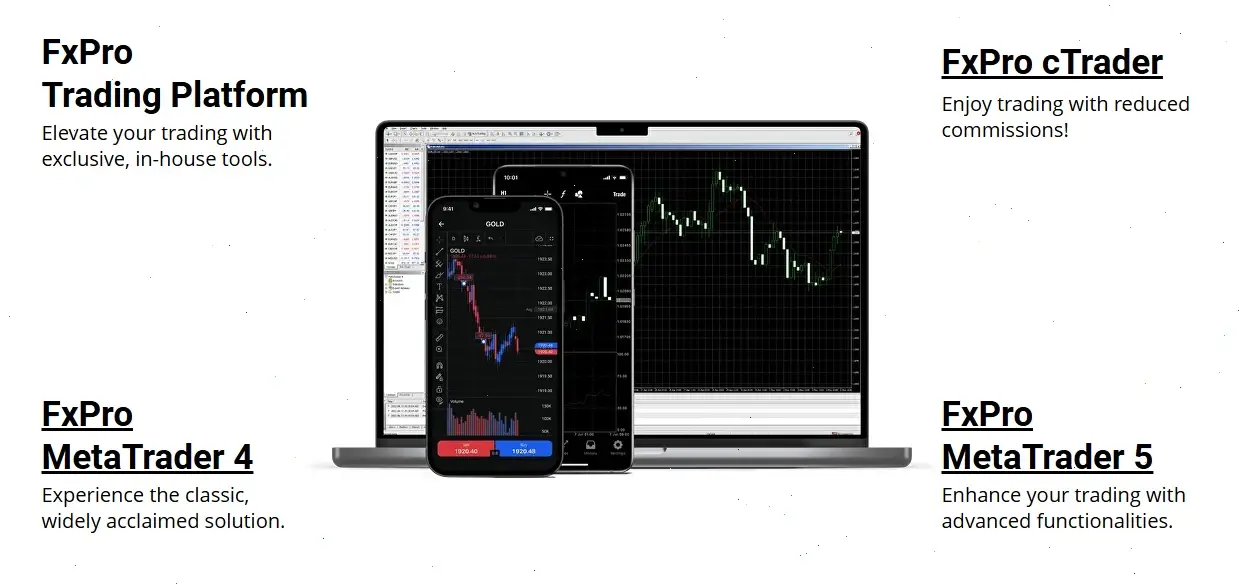
| FxPro MT4 | Variable | From 1.2 | No |
| FxPro MT5 | Variable | From 1.3 | No |
| FxPro cTrader | Raw Spread | From 0.0 | Yes ($3.50 per lot) |
| FxPro Edge | Variable | From 1.5 | No |
Factors Influencing FxPro Spreads
- Market Liquidity: High liquidity leads to tighter spreads.
- Time of Day: Spreads widen during low trading hours.
- Economic Events: Volatility during news releases can cause spread fluctuations.
- Instrument Type: High-volume forex pairs tend to have lower spreads.
Spread Variability in Major Forex Pairs
| Currency Pair | Typical Spread (Pips) | Peak Market Hours | Off-Peak Hours |
|---|---|---|---|
| EUR/USD | 1.2 - 1.8 | 0.8 - 1.2 | 2.0 - 2.5 |
| GBP/USD | 1.5 - 2.0 | 1.0 - 1.5 | 2.5 - 3.0 |
| USD/JPY | 1.1 - 1.6 | 0.7 - 1.2 | 2.0 - 2.5 |
How to Minimize Trading Costs
- Choose the appropriate account type.
- Trade during peak liquidity hours.
- Avoid high-impact news events.
- Use limit orders instead of market orders.
Conclusion
FxPro spreads significantly influence trading costs. Account selection, market timing, and strategy all impact final expenses. By understanding spread types and trading conditions, traders can improve cost efficiency and overall performance.
FAQ
- 1. What is the difference between fixed and variable spreads?
- Fixed spreads remain constant, while variable spreads fluctuate based on market conditions.
- 2. How can I reduce trading costs?
- Trade during high-liquidity hours and select the appropriate account type.
- 3. Does FxPro charge commissions on all accounts?
- No, commissions apply only to cTrader accounts.
- 4. Why do spreads widen during low trading hours?
- Lower market liquidity increases pricing gaps between bid and ask.
- 5. Which account offers the lowest spreads?
- The cTrader account offers raw spreads from 0.0 pips with commission.